Fresh from the blog
Snagged 2026 Domain Trends Report: Key Insights & Takeaways
The domain market is not a single, uniform ecosystem. It’s several distinct markets layered on top of one another, each responding differently to company stage, conviction, and risk tolerance. It’s also part of what makes this industry interesting and unpredictable and what makes each deal it’s own adventure.Understanding the layers is the key to understanding where naming, and domain names, are headed in 2026. So let’s dive in, shall we?
.avif)

How Bilt.com Was Acquired: Inside a Global Domain Deal with Resellers and WhatsApp
When a fast-growing company is dead set on a killer domain, sometimes the journey to get it looks less like a smooth deal and more like a season of a suspense thriller. That’s exactly what happened when the team behind BiltRewards.com set their sights on snagging Bilt.com.

Who Really Owned Sting.com? The Gamer Who Beat the Music Icon
Most people assume Sting.com has always belonged to Sting. You know, the one with Grammys and tantric yoga references. But for years, that domain belonged to someone else entirely, and when the rockstar tried to take it back, he lost. Spectacularly.

How to Know When a Domain Expires (and What You Can Do About It)
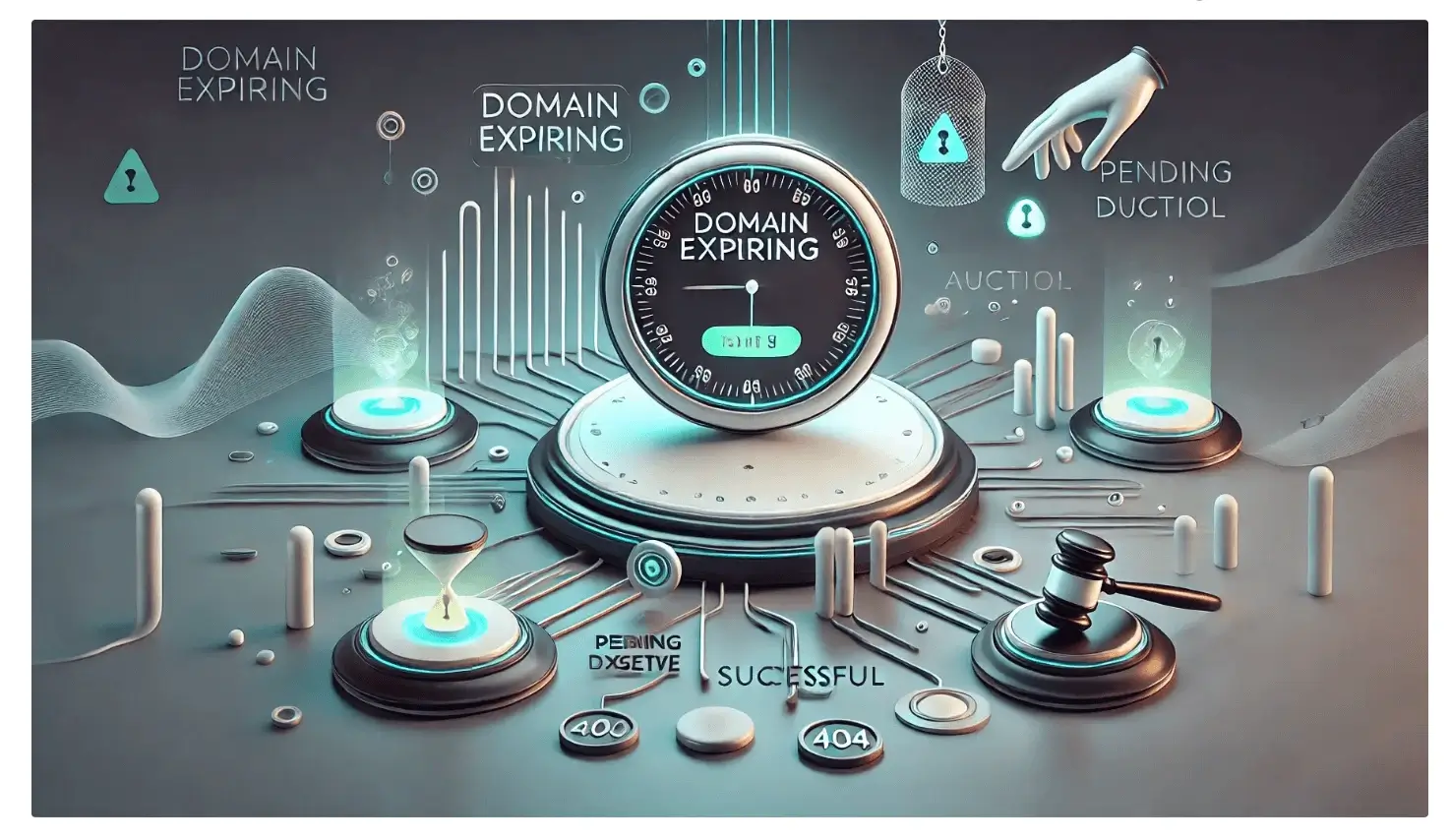
Thousands of domains expire every day. Great ones. Brandable ones. Keyword-rich ones. And if you know where to look, you can grab them, sometimes for cheap, sometimes at auction, always at the perfect moment. This post will show you both sides of the game: How to make sure your domains don’t expire and how to catch others right before they do

Why Some Domains Cost So Much And Are They Worth It?
Discover why high-end domains command five, six and seven-figure prices, who’s paying those premiums, and how the right domain can drive trust, reduce CAC, and accelerate growth. Real founder stories, market insights, and Snagged’s expert take.

How to Secure a Premium Domain: (Escrow, Brokers & Creative Tactics That Actually Work)
Some domains have a buy now button. Most don’t. The best ones (the punchy, memorable, one-of-one names that actually feel like a brand) are usually already owned. Sometimes by investors. Sometimes by companies. Sometimes by a guy who registered it in 1997 and only checks his email twice a year. If you want that kind of name, you’re not buying off the shelf. You’re stepping into a private deal. The price is invisible, the owner may not be responsive, and your only real leverage is strategy. So how do you secure a great domain without getting ghosted, overpaying, or walking straight into a scam? Here’s how experienced buyers navigate the process, step by step.

How to Negotiate a Fair Price for a Domain (Without Overpaying)
Most people treat buying a domain like buying a couch: find one you like, check the price, maybe haggle a little, and hope that you don’t overpay for it. But domains don’t work that way. There’s no MSRP. No Kelly Blue Book. No single place to check if what you’re paying is “fair.” You’re negotiating in a market that’s opaque by design, where every domain is one-of-one, and value is whatever the two people at the table believe it is. That’s what makes domain negotiation so strange, and so powerful. If you know what you’re doing, you can walk away with a $50,000 name for $10,000. If you don’t, you might overpay by a factor of ten... or lose the deal entirely. The trick is knowing what’s real, what’s noise, and when to walk.