Fresh from the blog
So I bought my town’s domain name, SouthOrange.com…
What started as a simple domain search turned into a three-year pursuit to acquire SouthOrange.com and build something useful for the local community.
Why Some Domains Cost So Much And Are They Worth It?
Discover why high-end domains command five, six and seven-figure prices, who’s paying those premiums, and how the right domain can drive trust, reduce CAC, and accelerate growth. Real founder stories, market insights, and Snagged’s expert take.
How to Secure a Premium Domain: (Escrow, Brokers & Creative Tactics That Actually Work)
Some domains have a buy now button. Most don’t. The best ones (the punchy, memorable, one-of-one names that actually feel like a brand) are usually already owned. Sometimes by investors. Sometimes by companies. Sometimes by a guy who registered it in 1997 and only checks his email twice a year. If you want that kind of name, you’re not buying off the shelf. You’re stepping into a private deal. The price is invisible, the owner may not be responsive, and your only real leverage is strategy. So how do you secure a great domain without getting ghosted, overpaying, or walking straight into a scam? Here’s how experienced buyers navigate the process, step by step.

How to Negotiate a Fair Price for a Domain (Without Overpaying)
Most people treat buying a domain like buying a couch: find one you like, check the price, maybe haggle a little, and hope that you don’t overpay for it. But domains don’t work that way. There’s no MSRP. No Kelly Blue Book. No single place to check if what you’re paying is “fair.” You’re negotiating in a market that’s opaque by design, where every domain is one-of-one, and value is whatever the two people at the table believe it is. That’s what makes domain negotiation so strange, and so powerful. If you know what you’re doing, you can walk away with a $50,000 name for $10,000. If you don’t, you might overpay by a factor of ten... or lose the deal entirely. The trick is knowing what’s real, what’s noise, and when to walk.

How New TLDs Are Making .COM Domains Even More Expensive
There’s a common belief floating around the startup world that with the explosion of new domain extensions (.ai, .club, .xyz, .whatever), .com doesn't matter as much anymore. But one has to question whether that sentiment is actually true. In our opinion, the flood of new TLDs has only made .com domains more valuable. Not because it’s harder to start on a .com, but because it’s become the clear destination once a company gets traction while using a “starter” TLD.
How to Get a Domain Appraised: Free & Paid Methods Explained
So how do you figure out what a domain is actually worth? Valuation in the domain world is part data, part instinct, and part poker game. It’s not just about what a tool tells you. It’s about what the right buyer would pay, what the seller believes it’s worth, and what the market can justify. Whether you're trying to buy, sell, or just understand what you're holding, here's how to get a domain appraised in a way that actually means something.

How to Find the Owner of a Domain & Contact Them
You found the perfect domain. It’s clean. It’s memorable. It’s the kind of name that makes your brand feel instantly more legit. There’s just one problem: someone else already owns it. And now you’re staring at a parked page or a broken link, wondering who’s behind it, and how to get in touch without going full private investigator. The good news? Most domain owners can be tracked down, even if it takes a few steps. And reaching out the right way can make all the difference between getting ignored... and getting a deal done. Whether you're an early-stage founder, a marketer hunting for the right brand asset, or just someone with a domain dream, here’s a step-by-step guide to help you find the owner and make contact that actually gets a response.

Why Brandable Domains Beat Keywords in the Age of AI Search
There was a time—not that long ago—when the path to online visibility was fairly straightforward. You picked a keyword-rich domain like *BuyShoesOnline.com*, built out a few thousand words of SEO-friendly content, earned some backlinks, and waited for Google to reward your hard work with organic traffic. And for a while, it did. Search engines used to function like glorified index cards. If you aligned your domain name with user intent, and your site ticked the right technical boxes, you could sit comfortably near the top of the results page. It wasn’t glamorous, but it worked—and domains that matched exact search phrases had a clear edge. But that entire model is crumbling. And fast.
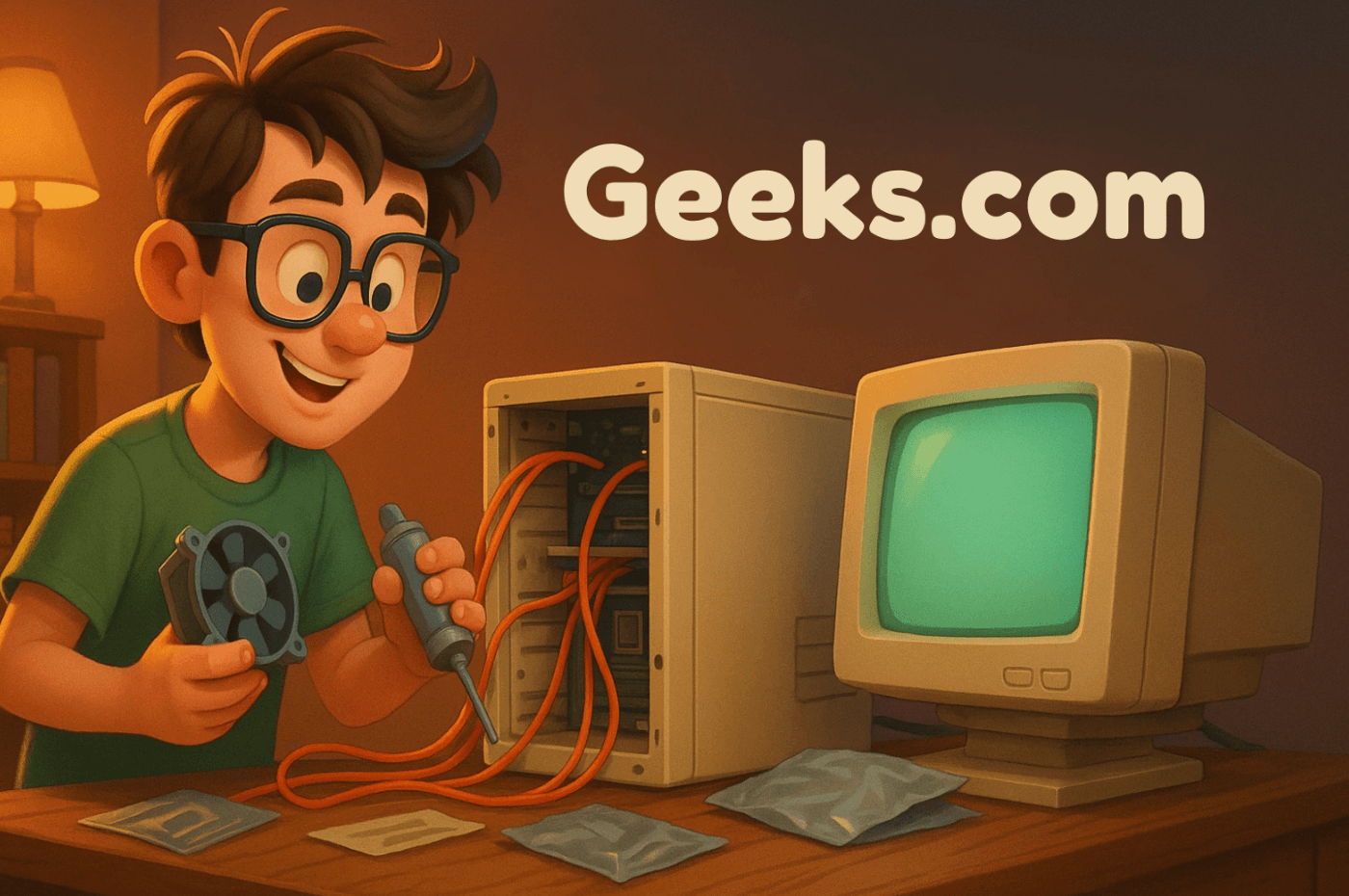
Geeks.com: The Domain That Built a Movement—and Could Do It Again
Picture it: It’s 2003. You’re huddled over a beige tower case, IDE ribbons snaking out like digital entrails, a stick of thermal paste in one hand and a replacement fan in the other. Your desk is covered in anti-static bags and Newegg hasn’t quite taken over the universe yet. Where did you get all this glorious gear? Geeks.com.
How to Buy a Premium Domain Name (Without Getting Scammed)
So you finally found the perfect domain name for your brand. It's clean. It's punchy. It's taken. Welcome to the internet. The good news? Just because a domain is taken doesn’t mean it’s off-limits. The better news? With the right approach, you can acquire it—without overpaying or getting scammed. This is your step-by-step guide to buying a premium domain name that's already owned, written for founders, marketers, and ambitious individuals who know that a great name can change the game.
How to Get a Domain Name Without Money
Most founders think a great domain is out of reach unless they've raised a monster Seed round or Series A. But, that’s not always true. Some of the most iconic startups in tech got their domain names *before* they had real cash—by getting creative.